Residential Air Quality
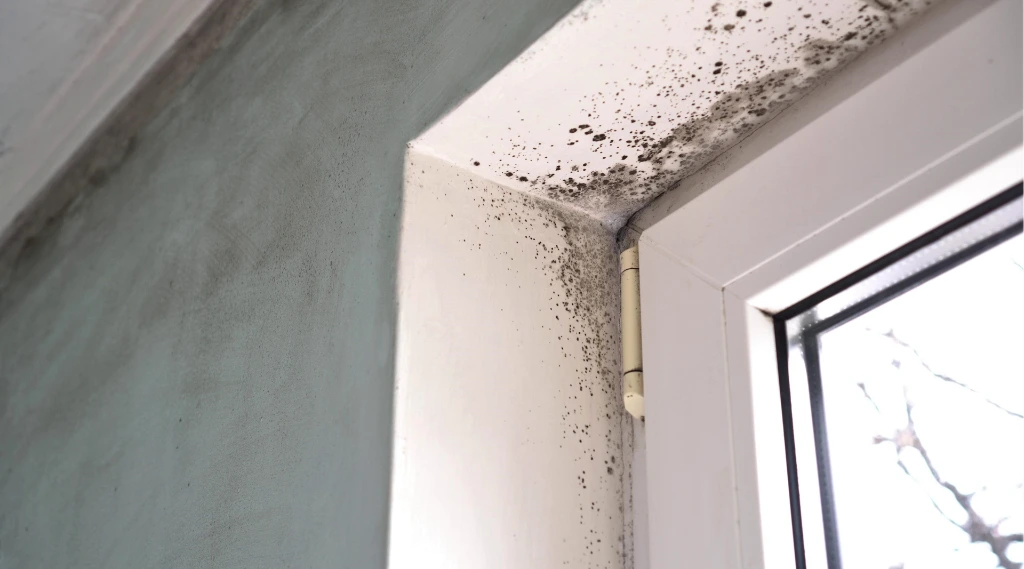
Awaab's Law, which came into effect in 2023, places a legal duty on landlords to ensure homes are free from hazards including those related to indoor air quality and damp conditions. Our monitoring system directly supports compliance with this legislation by providing objective, measurable evidence of indoor conditions and enabling swift intervention when thresholds are breached. By detecting air quality problems early, property managers can take corrective action and demonstrate their commitment to providing safe, healthy living environments.
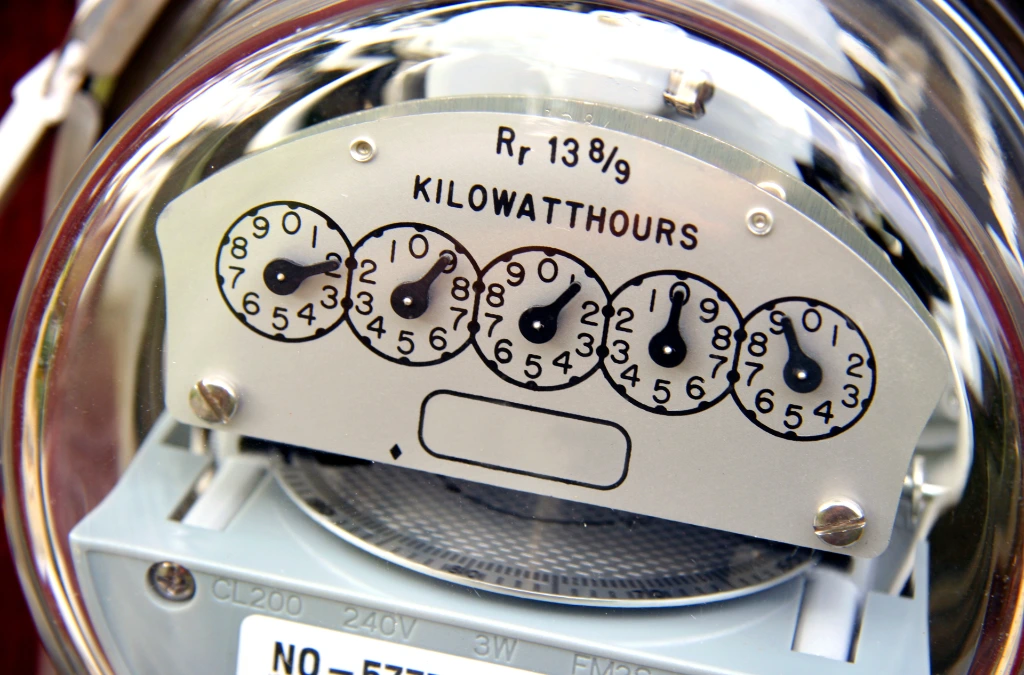
Beyond air quality, we're also deploying comprehensive energy monitoring across properties, tracking gas and electricity consumption alongside environmental conditions. This integrated approach allows us to measure the real-world impact of retrofit projects designed to improve home energy efficiency. By correlating energy usage with air quality metrics, we can assess how energy-saving interventions—such as improved insulation, ventilation upgrades, or heating system replacements—affect both operational costs and indoor living conditions.
The data collected through this programme provides valuable insights into the cost-effectiveness of retrofit investments. Energy efficiency improvements are often justified on utility savings alone, but our monitoring reveals the broader picture: how these projects affect indoor air quality, thermal comfort, and resident health. This comprehensive analysis helps inform future retrofit strategies, demonstrating which interventions deliver the best return on investment while creating genuinely healthier homes.