Level Monitoring
Remote Access to Level Monitoring Data from Anywhere in the World
The importance of level monitoring can be understood through several key points:

Safety
Maintaining proper levels of fluids or grains is critical for ensuring the safety of personnel and equipment. Overfilling tanks or silos can lead to spills, leaks, or even catastrophic failures, posing significant risks to both human life and the environment. Conversely, low levels can result in equipment damage or operational issues due to dry running or cavitation.
Process Efficiency
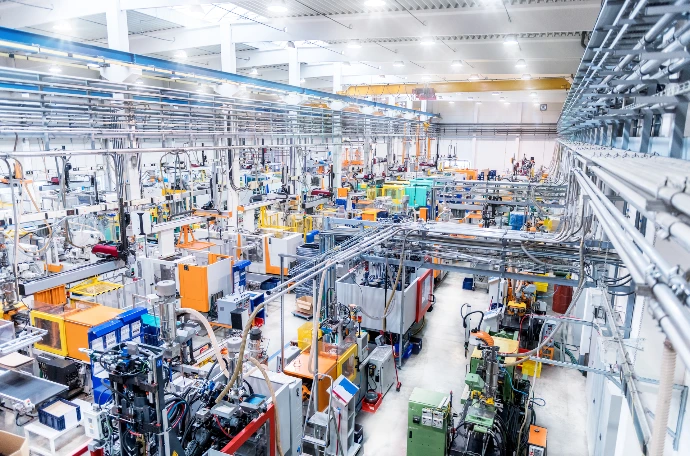
Monitoring levels allows operators to optimise processes by ensuring that tanks or silos are neither overfilled nor underutilised. Maintaining optimal levels ensures consistent performance and prevents production delays or interruptions caused by unexpected shutdowns due to overflows or shortages.

Inventory Management
Accurate level monitoring is essential for inventory management, especially in industries dealing with bulk materials such as grains, chemicals, or petroleum products. By continuously monitoring levels, businesses can efficiently manage inventory, plan production schedules, and avoid stockouts or excess inventory situations.
Resource Conservation
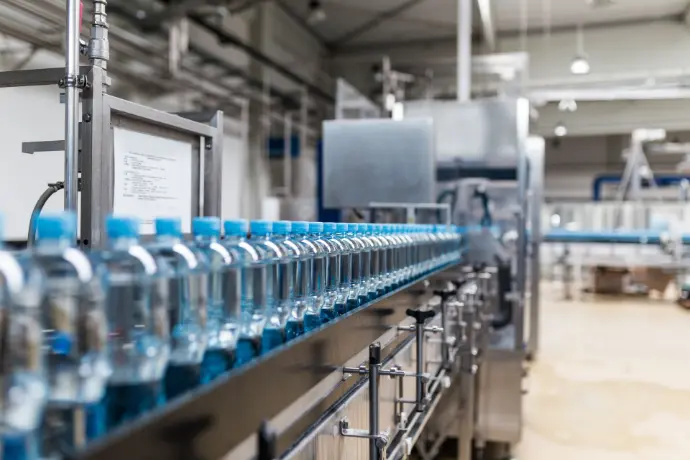
Precise level monitoring helps in the efficient utilisation of resources such as raw materials, water, or energy. By maintaining appropriate levels, organisations can minimise waste, reduce energy consumption, and improve overall resource utilisation, leading to cost savings and sustainability benefits.
Compliance and Regulations
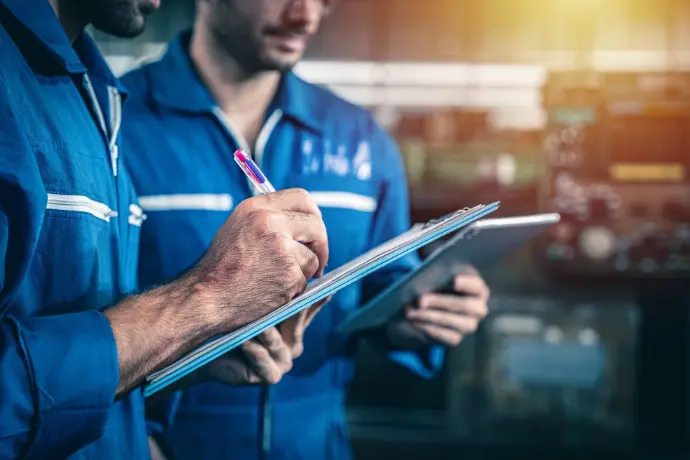
Many industries are subject to regulatory requirements governing the handling, storage, and disposal of materials. Accurate level monitoring ensures compliance with these regulations, avoiding penalties, fines, or legal liabilities associated with non-compliance.
Predictive Maintenance
Continuous monitoring of levels can provide insights into equipment health and performance. Unusual fluctuations or patterns in level data may indicate potential issues such as leaks, blockages, or equipment malfunctions, allowing operators to take proactive measures to address problems before they escalate into costly breakdowns or accidents.
Remote Monitoring and Control
Level monitoring plays a critical role in ensuring safety, optimising processes, managing inventory, conserving resources, complying with regulations, enabling predictive maintenance, and facilitating remote monitoring and control.

Our Technologies
We employ a wide range of the latest technologies for level monitoring, depending on project specifics. Technologies include:
Submersible pressure
Radar
Ultrasonic
Capacitive
Point level probes
Differential pressure
All of these technologies are compatible with our sensor interfaces, and with our Go Monitor Cloud Platform.
They can be combined in several ways to suit your application and deployed on a global scale to monitor projects in large enterprise organisations.
Applications
Fuels and lubricants
Water and wastewater
Grains / animal feed
Adblue and other automotive products
Waste materials and products
Construction products
Landfill leachate
Rivers streams and groundwater
And many more